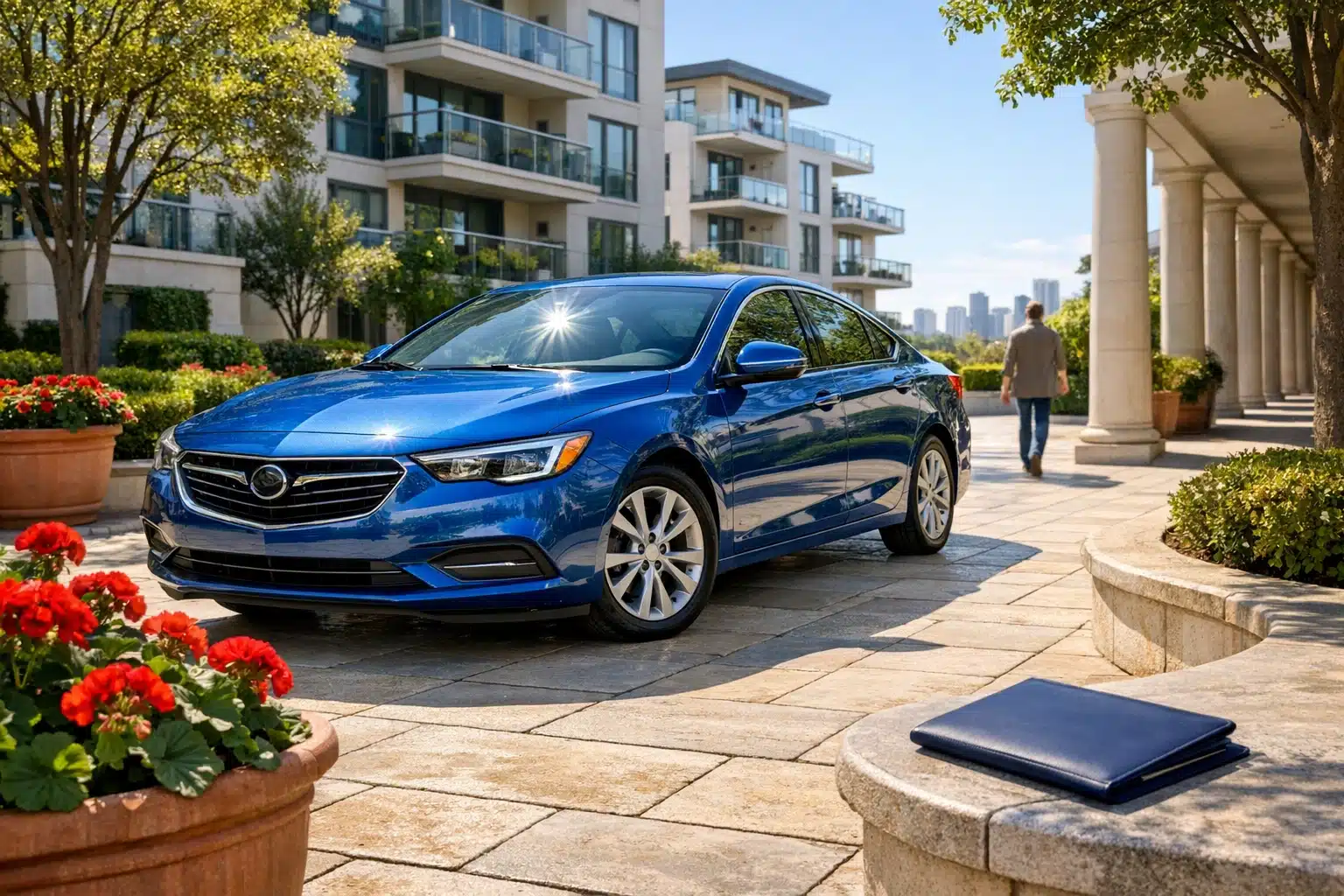
How to Ship a Car at Low Cost with Reliable Transport Companies
Shipping a car cheaply is not about chasing the lowest quote and hoping for the best. It is about knowing which parts of the price are flexible, which shortcuts create risk, and how to compare carriers and brokers without getting buried in fine print. Whether you are moving across the state, buying a vehicle online, or sending a car to a student or family member, a smart plan can trim costs while keeping delivery dependable.
Outline
1. The main factors that shape car shipping prices.
2. How to identify trustworthy transport companies and avoid weak operators.
3. Practical ways to reduce cost without reducing reliability.
4. Comparing service types, quote structures, and contract terms.
5. Preparing for pickup and delivery, followed by a final checklist for budget-focused shippers.
What Actually Makes Car Shipping Expensive or Affordable
Car shipping prices can look mysterious at first, but most quotes are built from a few clear variables. Distance matters, of course, yet not all miles are priced equally. A vehicle moving along a busy route between large metro areas often costs less per mile than a shorter trip into a rural town because carriers can fill their trailers faster on popular lanes. In practice, a 1,000-mile shipment between major cities may be more economical than an 800-mile shipment that requires long detours, sparse traffic, or difficult scheduling. That is why price shopping works best when you understand the lane, not just the number of miles on the map.
Vehicle type is the next big piece. Larger and heavier vehicles take up more trailer space, which raises the rate. A compact sedan is usually cheaper to move than a full-size SUV or pickup. Operability matters too. If a car does not start, steer, or brake normally, the transporter may need extra equipment and labor to load it, which can add a meaningful surcharge. Season also affects the market. Summer is busy because families relocate, dealerships move inventory, and college calendars shift demand. Snowbird routes between northern states and Florida or Arizona often spike in late fall and early spring. Add fuel fluctuations, weather delays, and traffic bottlenecks, and the quote starts to make more sense.
A few cost drivers are especially important if your goal is a low bill:
• Open transport is usually the most affordable option and often costs 30 to 40 percent less than enclosed service.
• Flexible pickup windows can help carriers fit your vehicle into existing routes, which may lower the price.
• Door-to-door service is convenient, but terminal-to-terminal or meeting in a large parking area near a highway can sometimes reduce cost.
• Remote pickup and drop-off points usually increase rates because they consume extra time and fuel.
Think of the car carrier like a traveling puzzle. Every vehicle is a piece, and the dispatcher wants the trailer full, the route efficient, and the schedule realistic. If your shipment fits neatly into that puzzle, you usually pay less. For example, a standard sedan traveling from Dallas to Atlanta on an open carrier with a three-day pickup window will often price better than the same car needing next-day pickup from a small town outside Boise. Understanding these mechanics gives you something more useful than luck: leverage. Once you know which factors are flexible, you can reduce the rate without sacrificing professionalism or peace of mind.
How to Choose Reliable Transport Companies Without Overpaying
Low cost means very little if the company handling your car is hard to reach, vague about insurance, or careless with timing. Reliability starts with knowing who is arranging the move. In auto transport, you will usually deal with either a broker or a carrier. A carrier owns and operates the truck. A broker connects your shipment to a carrier through a transport network. Neither model is automatically better. Many well-run brokers provide strong customer support and access to more route options, while many carriers offer direct control over scheduling. The key is transparency. A trustworthy company should clearly explain its role, pricing, and communication process before asking for payment.
One practical screening step is to verify federal registration. For interstate shipments in the United States, companies commonly list a USDOT number or MC number tied to their operating authority. You can also ask about cargo insurance and request a certificate summary or written proof of coverage limits. Insurance levels vary, so a shopper should not assume one policy fits every situation. Reviews help too, but patterns matter more than perfect scores. A company with hundreds of reviews and a small number of ordinary complaints may be more credible than a company with only a handful of glowing comments. Look for details on punctuality, communication, billing accuracy, and how problems were handled. That is where the real story tends to live.
When comparing companies, ask direct questions:
• Is the quote binding, estimated, or subject to market repricing?
• Who is responsible for pickup updates and delivery coordination?
• What is the cancellation policy, and is the deposit refundable?
• What insurance covers the car during transport, and what is excluded?
• How are pre-existing scratches, dents, or glass chips documented?
Red flags are often easier to spot than many buyers expect. Be cautious if a company refuses to provide registration details, pressures you to book immediately, gives a quote far below every other offer, or cannot explain why the price is so low. Another warning sign is poor written communication. If the email chain is sloppy before the pickup, the actual transport process may not be much tighter. Picture the difference between two voices on the phone: one treats your shipment like a numbered file, the other can explain the route, timeline, and terms in plain English. The second voice is usually worth more, even if the quote is modestly higher. A reliable company does not need to sound flashy. It just needs to be clear, accountable, and consistent.
Low-Cost Strategies That Save Money Without Adding Risk
The cheapest safe shipment usually comes from flexibility, not from cutting corners. Timing is the first lever to pull. If you book early, transport companies have more time to match your vehicle with a route that already makes economic sense. That can reduce the premium attached to urgent shipments. Many customers get better results when they start collecting quotes two to four weeks before the desired pickup date, then confirm once they understand the market range for their route. Waiting until the last minute often means paying for speed, and speed is rarely budget-friendly in auto transport. Think of it like airline pricing in reverse: the carrier is selling space on a moving trailer, and the best-priced spaces are the ones that fit smoothly into a planned run.
Service selection matters just as much. Open transport is the obvious money-saver for most ordinary vehicles, especially daily drivers, older cars, and standard family sedans. Enclosed shipping makes sense for classics, exotics, high-value collector cars, or vehicles with delicate finishes, but it is not the default for a budget-focused customer. Pickup and delivery flexibility can also trim costs. If a large truck cannot safely access your street, offering to meet at a nearby shopping center or wide commercial lot can prevent extra fees and avoid delays. On some lanes, terminal-to-terminal shipping is another way to reduce the rate, though it is not available everywhere and may be less convenient.
Practical savings often come from small choices that add up:
• Choose open transport unless your vehicle truly needs enclosed protection.
• Give a pickup window of several days instead of demanding one exact date.
• Use major metro areas whenever possible rather than remote addresses.
• Keep the car operable if you can; inoperable fees can change the quote noticeably.
• Remove personal items, bike racks, roof boxes, and loose accessories that add weight or risk.
• Avoid peak snowbird and midsummer periods if your schedule is flexible.
It also helps to compare realistic quotes instead of chasing the absolute floor. If three companies quote between 850 and 1,050 dollars for a common route and one company offers 600, that lower number may not be a true bargain. It may simply be a quote that cannot attract a driver at the stated rate. Some customers learn this the hard way when pickup keeps getting pushed until the price rises anyway. A better strategy is to target the lower-middle part of the market range with a company that communicates well and has solid reviews. That is often where value lives. Saving money is satisfying, but saving money while the car actually arrives on schedule is even better.
Comparing Service Types, Quotes, and Contract Terms Before You Book
Once you have a few offers in front of you, the real comparison begins. Two quotes can look similar on the surface while covering very different services. Start by identifying the shipping method. Open transport is the standard option and usually the most economical. Enclosed transport provides more weather and road-debris protection, but the higher level of service comes with a higher rate because enclosed trailers carry fewer vehicles. Door-to-door shipping is convenient, though in reality it often means as close to your address as a large truck can safely reach. Terminal-to-terminal shipping can reduce cost in some markets, but it may require extra driving and stricter timing on your side. None of these options is universally best; the right choice depends on your car, your budget, and how much convenience you want to buy.
Sample pricing can help set expectations, though actual rates change by route, season, and carrier capacity. For a standard sedan traveling roughly 1,000 miles in the United States, open door-to-door transport might commonly fall somewhere around 750 to 1,100 dollars. Terminal-based options on strong lanes may come in slightly lower. Enclosed service for the same distance can easily move above 1,100 dollars and sometimes much higher. Expedited shipping can also add a notable premium because the transporter must prioritize your vehicle over easier scheduling opportunities. These ranges are not promises, but they are useful reference points when a quote seems suspiciously low or unusually high.
Read the agreement carefully before paying a deposit. Important details often hide in plain sight:
• Is the quote guaranteed, or can it change if no carrier accepts the rate?
• When is the deposit charged, and when is the remaining balance due?
• Is payment at delivery expected in cash, certified funds, or another form?
• What happens if the pickup window passes without assignment?
• Are there fees for cancellation, rescheduling, or missed appointments?
It is also wise to understand the paper trail. A professional company should explain how the bill of lading works and how condition reports are handled at pickup and delivery. If the agreement feels vague, ask for clarification in writing. A sentence that seems harmless today can become expensive later if it leaves too much room for interpretation. This is where budget shoppers win or lose. A clear contract protects you from hidden costs, while a confusing contract can turn a low quote into an annoying chain of add-ons, delays, or disputes. When you compare quotes, compare the terms with the same seriousness you give the price. A transport deal is not only about what you pay. It is also about what, exactly, you are paying for.
Pickup, Delivery, and the Final Budget-Minded Checklist
Even a well-priced booking can go sideways if the car is not prepared correctly. The best final step is to make pickup easy and documentation airtight. Clean the car so existing scratches, dents, and chips are visible. Take clear, time-stamped photos from multiple angles, including close-ups of any pre-existing damage. Check tire pressure, battery condition, and fluid leaks if the vehicle will be driven on and off the carrier. Most transporters recommend leaving about a quarter tank of fuel, enough for loading but not so much that unnecessary weight rides along. Remove personal belongings unless the company explicitly allows a small amount, because extra items may not be insured and can create disputes over weight or damage responsibility.
A simple preparation list keeps the process smooth:
• Wash the vehicle and photograph it in good light.
• Remove toll tags, parking passes, and sensitive documents.
• Fold mirrors when possible and retract or secure antennas.
• Disable alarms or provide instructions if they cannot be disabled.
• Leave one working key for the driver.
• Confirm pickup and delivery contact numbers the day before transport.
At pickup, inspect the car with the driver and make sure the condition report is accurate before signing. At delivery, repeat the inspection before final acceptance. If you notice new damage, note it on the bill of lading immediately and take additional photos. Problems are easier to address when the paperwork is completed on the spot rather than after the truck has departed. Good companies will explain this clearly because proper documentation protects both parties. It is not dramatic, but it is important. This moment is the handshake at the end of the journey, and you want that handshake to be precise.
For budget-conscious readers, the takeaway is straightforward. If you are relocating for work, sending a car to a college student, buying a vehicle from another state, or moving seasonally, the lowest sustainable cost usually comes from a mix of smart choices: open transport, flexible dates, realistic quotes, major-route pickup points, and careful company screening. Spend a little time on verification, contract review, and vehicle prep, and you dramatically reduce the odds of surprise fees or scheduling headaches. In other words, low-cost car shipping is less like gambling and more like planning. The companies may drive the trucks, but your decisions steer the deal. Choose clarity over hype, value over bait pricing, and preparation over panic, and you will be far more likely to get an affordable shipment that also feels dependable from start to finish.